Click here to buy secure, speedy, and reliable Web hosting, Cloud hosting, Agency hosting, VPS hosting, Website builder, Business email, Reach email marketing at 20% discount from our Gold Partner Hostinger You can also read 12 Top Reasons to Choose Hostinger’s Best Web Hosting
On January 14, 2026 a large-scale Verizon outage interrupted wireless voice and data for hundreds of thousands of customers across the United States. Phones in multiple major cities showed “SOS” or “No Service,” emergency offices warned about possible 911 reachability problems, and outage trackers reported spikes well into the six figures. This post explains what happened, who was affected, how authorities and Verizon responded, and — most important — what you should do if you’re caught without cell service. This was a widespread network failure that disrupted voice + data for many Verizon users nationwide. Engineers were mobilized and Verizon posted regular updates; regulators (including the FCC) are monitoring the incident. If you lost service, use alternative carriers, landlines, or Wi-Fi calling for urgent needs and follow the safety checklist below.
Fast timeline (what we know so far)
Around 12:00 p.m. ET (Jan 14, 2026): users began reporting service loss across the U.S.; DownDetector showed a large spike in reports.
12:30–1:00 p.m. ET: reports peaked — some trackers showed well over 170,000 reports at the high point; users in New York, Washington, D.C., and other major metro areas were hard hit.
Early afternoon: Verizon acknowledged the issue publicly and said engineering teams were working to identify and resolve it; local emergency communications offices issued guidance about 911 access.
Later afternoon: reports of outages declined but pockets of intermittent service remained while Verizon continued remediation work.
(Ad)

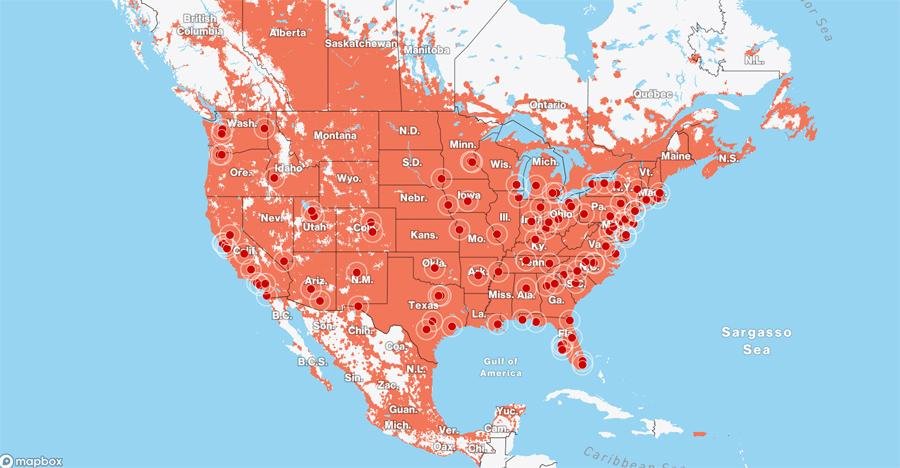
Scale and impact — how big was the outage?
Outage trackers reported six-figure incident counts at peak. Some tracking sites registered upward of 170,000–260,000 user reports depending on the source and time snapshot. Critical public-safety systems flagged potential 911 reachability issues in parts of New York and Washington, D.C., prompting official advisories to use landlines or other carriers for emergency calls.
Verizon Network Outage: Who’s Affected and How to Stay Connected
What Verizon and authorities said
Verizon posted updates to social platforms confirming an issue “impacting wireless voice and data services for some customers” and said engineering teams were engaged. The carrier emphasized engineers were working to isolate and fix the problem. Regulators including the Federal Communications Commission (FCC) indicated they would review the outage, and local emergency communications offices encouraged residents to use alternatives for emergency calls when possible.
Is Verizon Still Down? Live Status, Timeline, and What to Do Now
Why outages like this matter
Mobile networks are now critical infrastructure — used not just for calls and texts but for 2-factor authentication, navigation, contactless payments, IoT devices, and emergency communications. Large outages can interrupt business operations, prevent people from reaching emergency services, and halt transactions that depend on network connectivity. That’s why carriers and regulators take these incidents seriously.
7 Ways to Block Spam Calls on iPhone
Immediate steps to take if you’re affected (simple & safe)
Check if it’s a carrier-wide outage: Visit a reliable outage tracker (DownDetector) or the carrier’s official X/Twitter account from a device on another network or Wi-Fi.
Use Wi-Fi calling / VoIP: If you have Wi-Fi, enable Wi-Fi calling (Settings → Phone → Wi-Fi Calling) or use apps like FaceTime, WhatsApp, Signal, or Google Meet.
Switch devices or SIMs (if possible): Try toggling airplane mode, restarting your phone, or using a different SIM or carrier device to test if the issue is SIM-specific.
For emergencies: If you can’t reach 911 on your Verizon device, use a landline, a phone on a different carrier, or go to the nearest police/fire station. Some cities issued similar instructions during the outage.
Keep work informed: If you rely on mobile for work (authenticator apps, mobile point-of-sale), notify your employer/clients and use alternate communications (email via Wi-Fi, collaboration tools).
Avoid panic-reinstalling or vending credentials: Don’t factory reset or reconfigure critical services under pressure; follow carrier guidance and wait for official fixes if the outage is network-side.
For IT managers & businesses
Stand up an incident channel (Slack/Teams) that operates over Wi-Fi or wired networks so employees can report issues without cell service.
Enable backup contact methods in SSO and IAM systems (backup phone numbers and alternate email) to avoid lockouts.
Delay time-sensitive mobile flows (SMS OTPs, 2FA) when possible and use alternate verification (email OTPs or authenticator apps).
Communicate externally: post status updates on your site and social channels noting expected delays if customer support relies on mobile networks.
Log the outage: capture timestamps and user reports — regulators may require post-incident reporting for critical services.
Likely follow-up: investigation & fines?
Large outages often trigger regulator inquiries. The FCC has in recent years signaled interest in carrier reliability for emergency access and may probe root causes. Past incidents (including notable Verizon outages in previous years) have drawn fines or mandated remediation steps — expect statements, post-mortems, and possibly regulatory scrutiny after the network is restored.
Nokia 2780 Flip – Unlocked – Verizon, AT & T, T-Mobile – Blue
How to stay updated (trusted sources)
Verizon’s official support/X (formerly Twitter) account — for official carrier updates.
Outage trackers (DownDetector) — for crowdsourced report intensity.
Major news outlets (AP, Reuters, NBC, The Verge) — for verified reporting and official statements.
FAQs
Q: Is Verizon down right now?
A: Check official Verizon social updates and real-time outage trackers such as DownDetector. News outlets are also reporting widespread issues for Jan 14, 2026.
Q: Why does my phone say SOS?
A: “SOS” usually indicates your device cannot connect to its primary network but can place emergency calls via any available signaling — during wide outages phones may display SOS or No Service.
Q: Can I call 911 during the outage?
A: Some cities warned that 911 calls may be affected for Verizon users. If you cannot reach 911 on your device, use a landline, another carrier, or go directly to emergency services.
Q: Will I get charged for missed calls or messages?
A: Charges depend on your carrier and plan. Network downtime itself typically doesn’t generate additional user charges, but confirm billing issues with Verizon support once service is restored.
Q: What caused the outage?
A: As of the latest updates, Verizon cited a network issue and its engineers were investigating. Root cause details are usually released later in a carrier post-mortem. Regulators may also request further explanation.
Google Pixel 9a with Gemini Android Smartphone
Final word
A major Verizon outage like this underscores how dependent modern life is on mobile networks. It’s inconvenient, potentially risky in emergencies, and disruptive for businesses — but there are clear, practical steps users and IT teams can take to reduce immediate harm. Follow official updates, use alternative communication channels, and keep an eye out for Verizon’s post-incident report so you can learn whether extra safeguards are needed in the future.
Now loading...