Click here to buy secure, speedy, and reliable Web hosting, Cloud hosting, Agency hosting, VPS hosting, Website builder, Business email, Reach email marketing at 20% discount from our Gold Partner Hostinger You can also read 12 Top Reasons to Choose Hostinger’s Best Web Hosting
If you felt something shift this week, you’re not imagining it.
The announcement that Adobe has acquired Semrush landed with a thud in the freelancing and design community. Semrush has long been the quick go-to tool for checking a handful of keywords, auditing a client’s site, or scanning the competition—especially for those relying on the free plan.
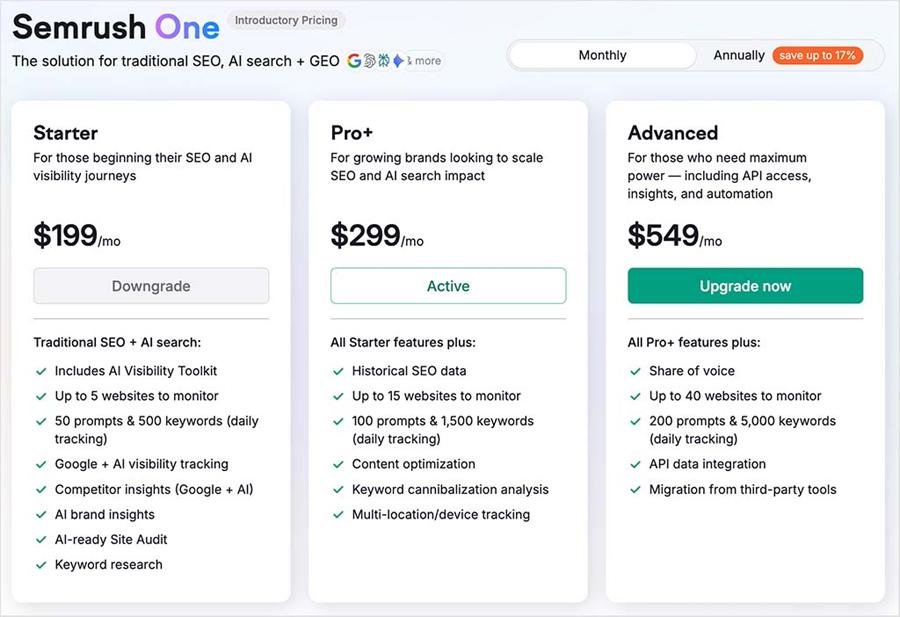
Enter Semrush One: a single product that combines keyword-level SEO metrics and new AI-search signals so teams can measure and act on total visibility across search engines and LLMs.
Now the orange brand is headed into the Creative Cloud universe, and everyone is asking the same thing:
Will the free tier survive?
We’ve watched enough Adobe acquisitions to know the pattern. Here’s a clear breakdown of what’s happening, how “Semrush One” fits into the puzzle, and what steps users should consider right now.
(Ad)

Why Semrush and Similarweb Are Different
Semrush One: The First Warning Sign
Before Adobe entered the picture, Semrush was already shifting direction.
In late October 2025, the company introduced Semrush One, which blended standard search data with new “AI Visibility” metrics—tracking where you rank in platforms like ChatGPT and Perplexity.
It wasn’t a simple facelift. It was a move toward bigger clients.
And there was another signal:
The new entry plan came in around $199/month.
A price jump plus an Adobe acquisition points toward one thing:
A future geared toward corporate marketing departments, not freelancers.
Will Adobe Remove the Free Plan? A Look at Their History
While nothing has been announced, Adobe’s past decisions give us a good idea of what’s ahead. Three patterns usually show up:
The Behance Model (Optimistic):
Keep it free, but use it as a funnel into paid services.The Figma Model (Most Likely):
Keep the surface-level version free. Restrict the features that serious users need.The Pantone Model (Worst Case):
Lock previously free elements behind a paid login. (Designers still remember the “subscription color palettes.”)
Our Prediction:
The free tier will remain, but with fewer tools.
Expect reduced daily limits. Expect blurred metrics. Expect more features requiring an Adobe ID.
Not removed—just trimmed down until upgrading feels inevitable.
10 Best Semrush Alternatives Free Tools and Why They’re Worth Considering
SEO Inside Creative Cloud?
If Adobe folds Semrush into Creative Cloud, a new kind of complexity enters the picture.
Imagine finishing a design in Photoshop or XD and seeing a panel asking you to score its “SEO potential.”
For agencies, this could be helpful.
For solo designers, it might feel like one more layer in an already heavy software suite.
If Semrush becomes a built-in panel instead of a crisp web tool, some users may miss the simplicity.
5 SEO Problems Killing Your Traffic (and How the SEMrush 7-Day Trial Fixes Them)
Your Backup Options: 3 Best Semrush Alternatives 2026
If the new direction feels too corporate or too costly, here are three options that still work well for individuals and small teams.
1. Ahrefs Webmaster Tools (AWT)
Cost: Free for site owners
A strong option if you’re tracking your own site. It won’t let you research competitors without paying, but the data quality is excellent.
2. Ubersuggest
Cost: Offers lifetime access through a one-time payment
A practical pick for designers who prefer fixed pricing over monthly billing. It doesn’t match Semrush’s depth, but it covers basic research.
3. The Manual Stack (DIY + Free Tools)
Cost: $0
A mix of Google Keyword Planner plus platforms like Perplexity AI can approximate the majority of Semrush’s lighter usage.
This approach is slower but effective for budget-conscious users.
10 Free Chrome Extensions That Find Long-Tail Keywords
A Practical Step: Export Your Data Today
During ownership transitions, user data sometimes gets archived, moved, or hidden behind updated settings.
If you have keyword lists, audits, or saved projects:
Open your saved Keyword Magic Tool lists
Export them as CSV
Store them locally
A small step today avoids surprises later.
What’s Your Take?
Is the Adobe–Semrush merger a smart match, or does it feel like the end of a simpler era?
Now loading...